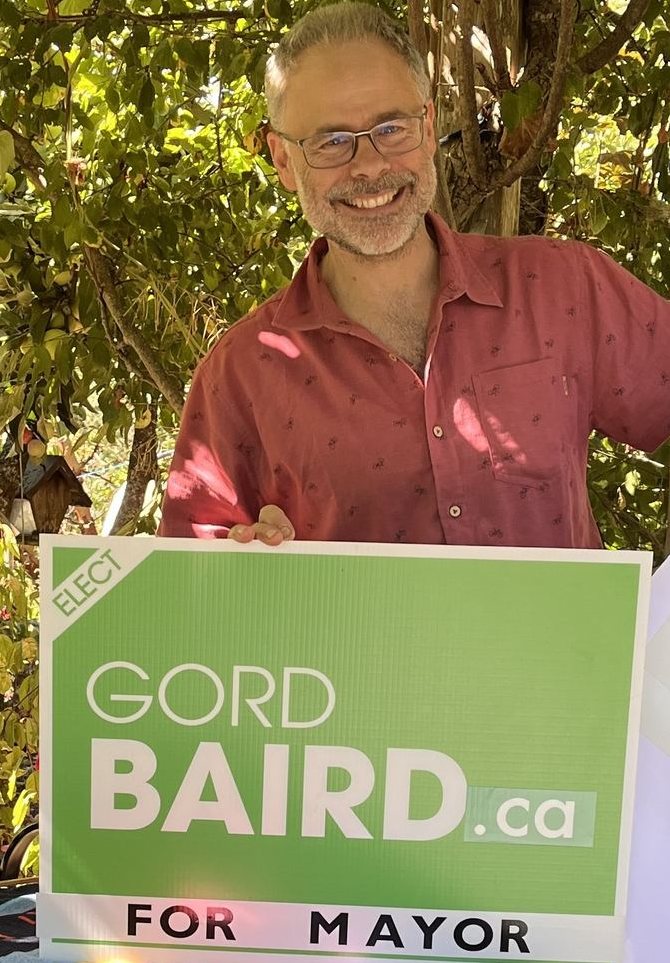
For Mayor · District of Highlands · 2026

Steady hands on the things that matter.

Water, land, and a rural community determined to protect its independence.

About Gord

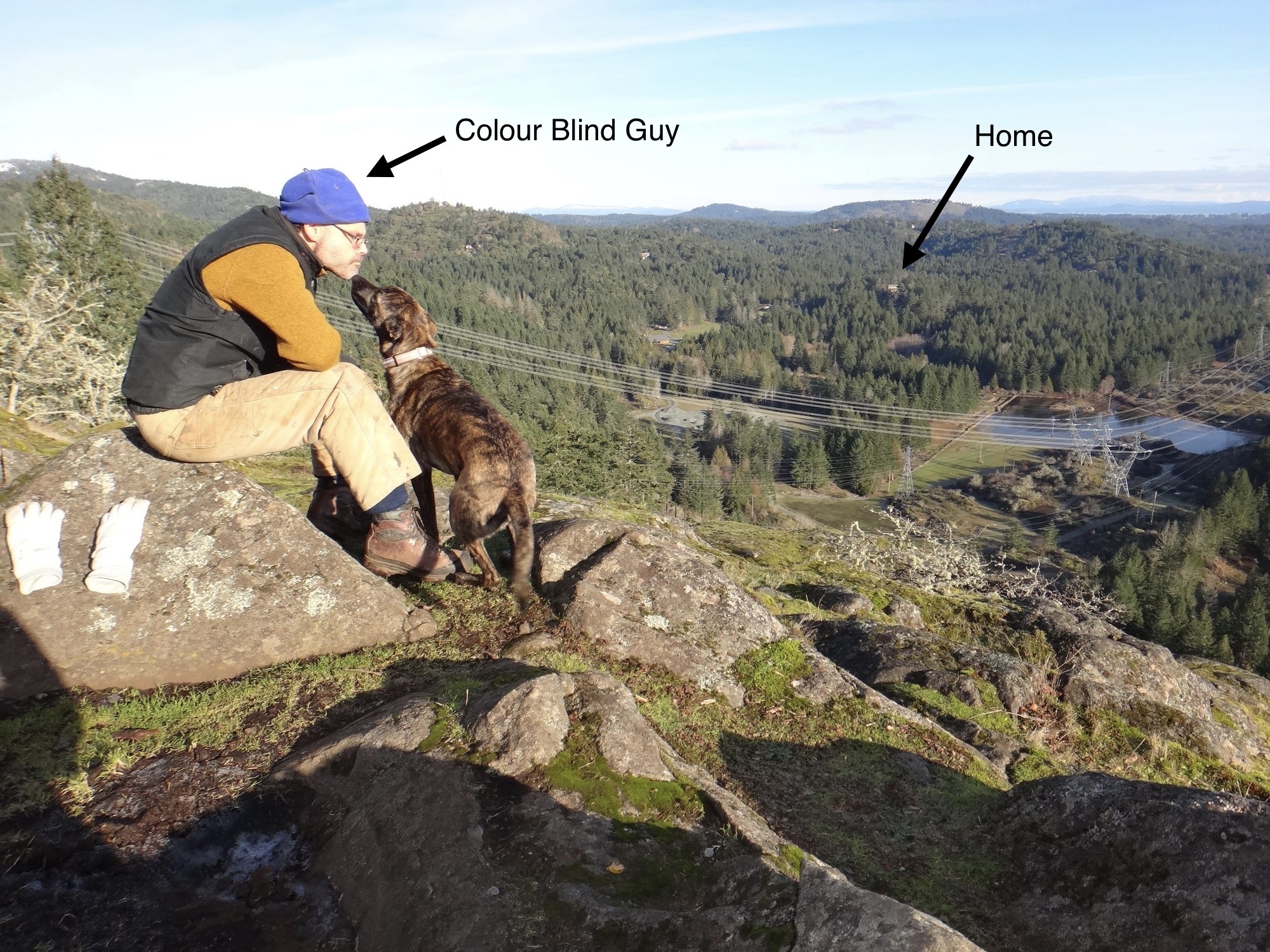
I've lived my values on the ground — not just in policy documents.

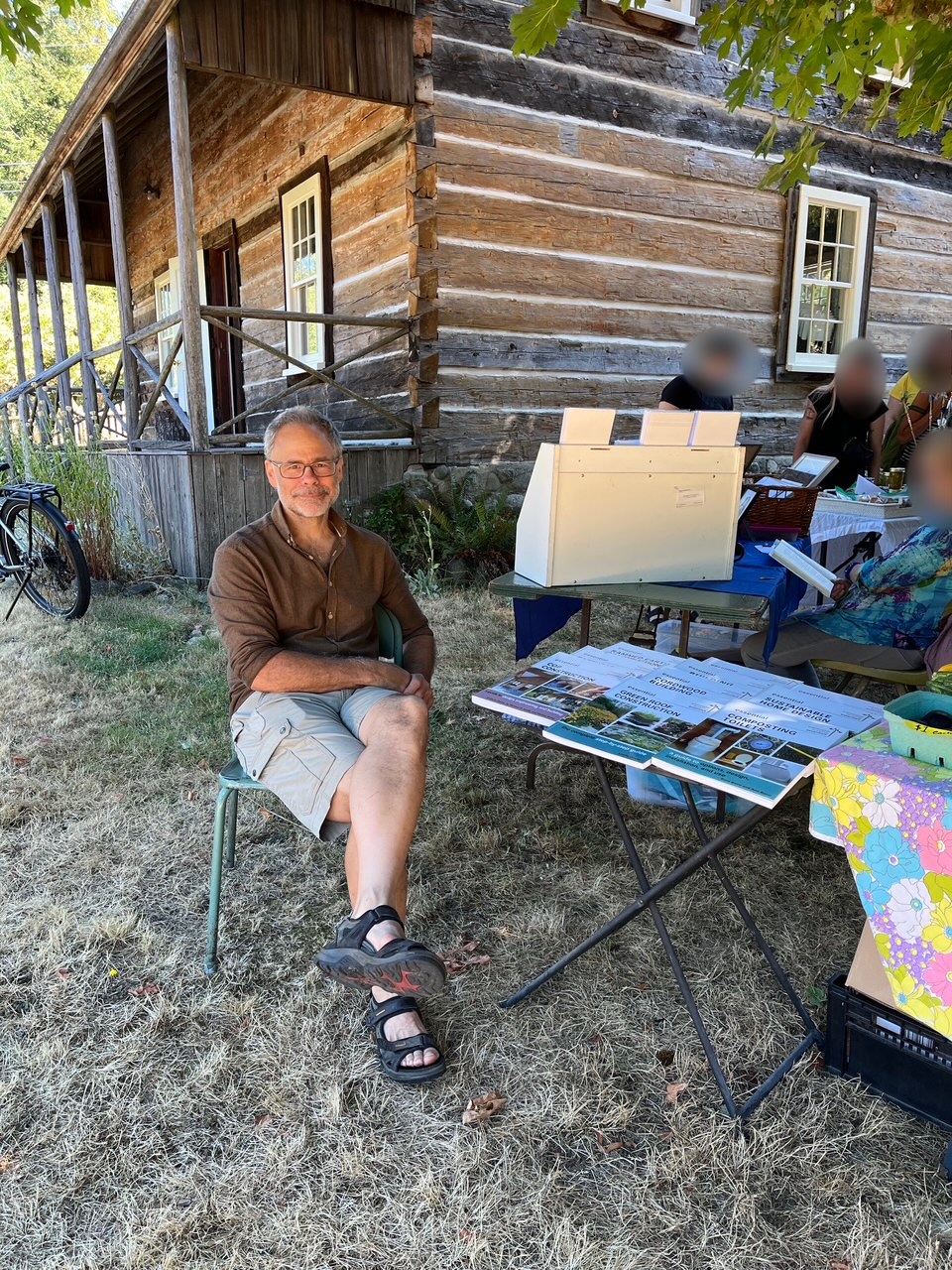
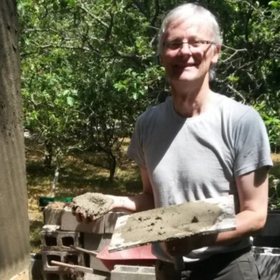
At Eco-Sense — the demonstration farm my partner Ann and I run on Compton Road — we've spent two decades demonstrating how to live within the ecology of a place: regenerating soil, harvesting rainwater, treating greywater, growing food. It's not a slogan. It's how we live.

I've been self-employed for over thirty years: an automotive centre owner, a business consultant, a sustainable-building builder, a farmer, and — primarily — a designer and installer of rainwater systems for homes and businesses. Running your own work that long teaches you budgets, accountability, and how to deliver when every outcome lands on your shoulders.

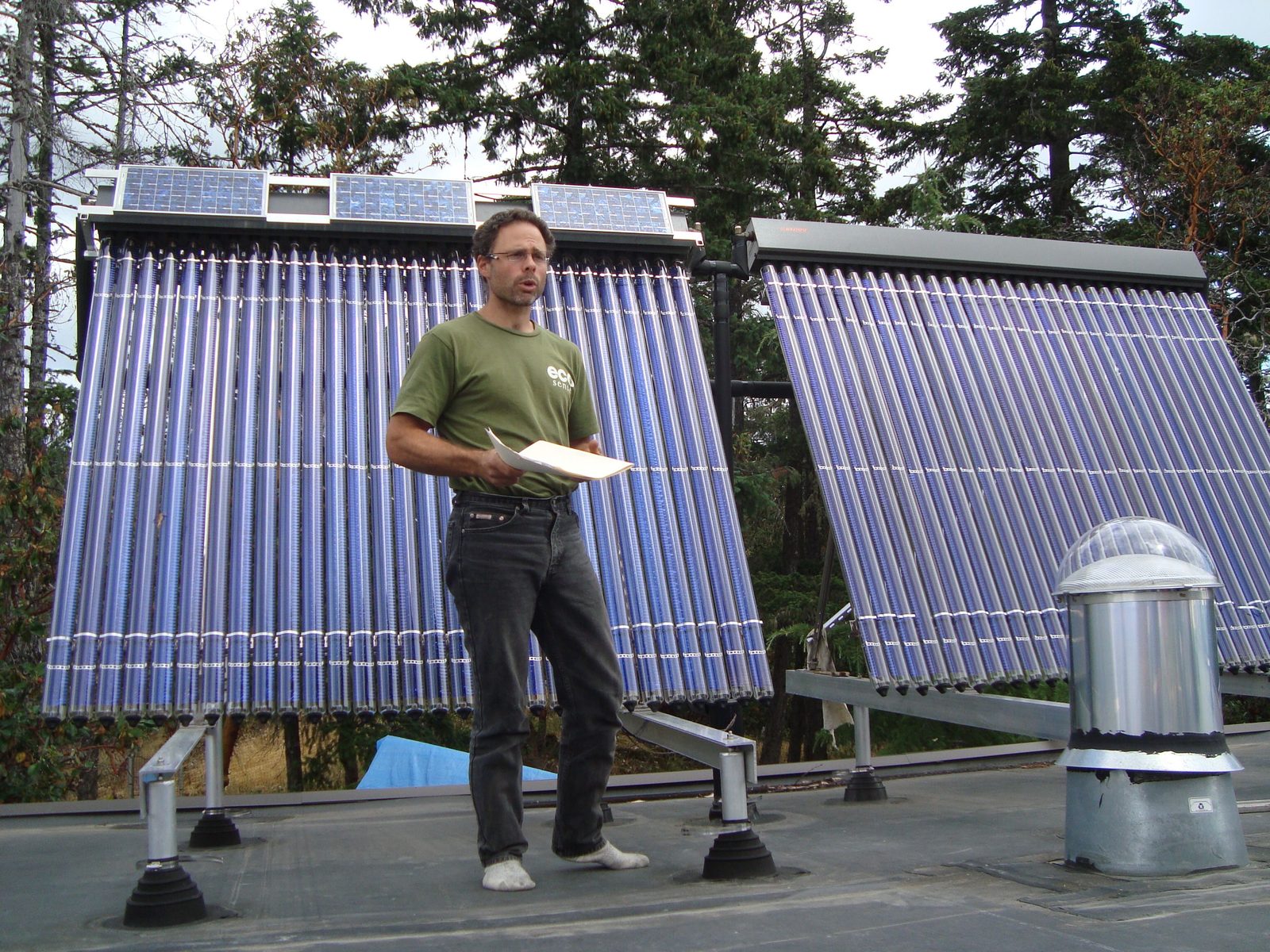
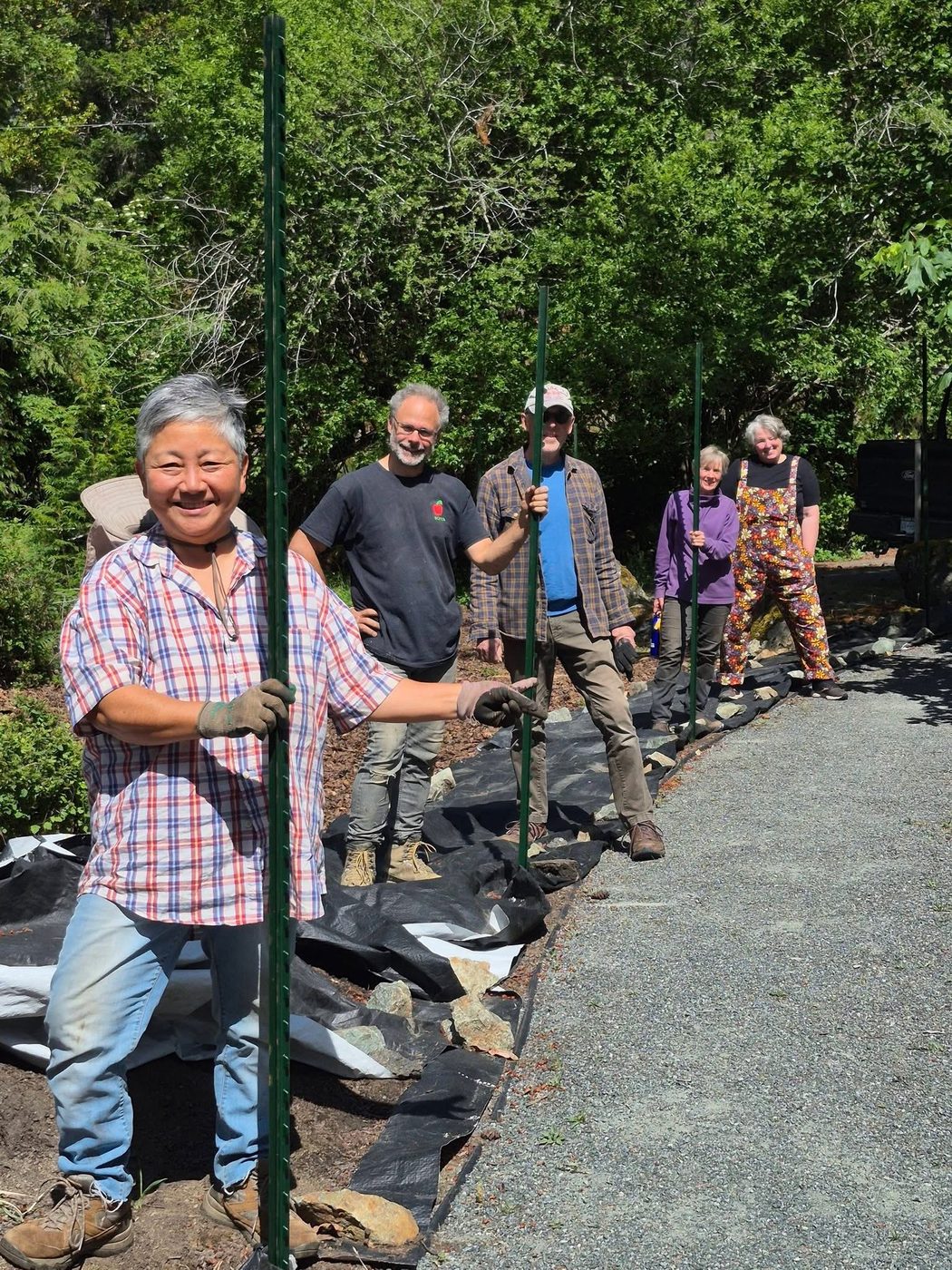
I design and build. Earthen building, sustainable energy, building science — I teach these and I've done them. Here in the Highlands I've put that to work as a volunteer: building the Eagles Lake washroom, the mechanical systems at the Twinflower bathroom, the broom-chipping and composting trials that made the soil for the community garden, and installing the garden's fence, electric fence, and solar array.

For twenty years I've taught and spoken publicly on water, permaculture, composting, food forestry, building science, and earthen building — work covered in well over 200 articles across magazines, newspapers, books, radio, and television. And I've been retained to write water policy and standards for other governments: a technical advisor to Metro Vancouver's non-potable water re-use work, a technical editor on the Province's greywater and composting-toilet standards, and on water policy for the Regional District of Nanaimo and Islands Trust.

When I talk about water governance, it isn't theory. I've helped write the rules other communities use.

What we share, openly

Ann and I are both councillors, and together we run Eco-Sense — our demonstration farm on Compton Road, where we show what living within a place's ecology actually looks like. That's who we are, and we say it plainly. What two decades there have taught us — water, soil, building science, growing food — we offer freely to this community: tours, talks, workshops, and neighbours' questions we're always glad to take. Few things feel better than supporting someone's curiosity about all things sustainable. The formal side stays simple too: interests disclosed, recusals where law and good ethics require them, and openness as the default. A community this small runs on trust, and trust is built in the open.

Representing Highlands — without importing its growth

Being engaged in the region is how we protect ourselves from it — a voice, a vote, and early warning on decisions that touch our water, our roads, our rural character.

We are a community of 2,600 with growth pressure at our doorstep. The pressures driving the region — rapid development, expanding services, growing demand — are pressures we feel from next door, not values we share for our own community. I keep those two things firmly separate.

At the regional table my job is to make sure growth elsewhere pays its own way, that infrastructure is planned honestly, and that Highlands is never quietly absorbed into someone else's expansion agenda. The work is, at its core, protective on behalf of Highlands: stay at the table, hold the region accountable, and bring home a community that keeps its rural independence intact. A community our size doesn't hold its ground by accident — it holds it with one vote, used well, carried by a voice the region listens to.

As your Highlands councillor, the region entrusted me to chair its water supply — stewarding its budgets, planning its infrastructure, and bringing thirteen jurisdictions to agreement. That experience is the advantage Highlands takes into the mayor's chair.

8 yrs
Regional water leadership — Chair & Vice-Chair, CRD Regional Water Supply
$350M+
Five-year regional water capital plan stewarded as Chair
$2B
Infrastructure mapped in JDF's first-ever Asset Management Plan
30+ yrs
Self-employed builder, farmer & water-systems designer

My Record

Highlands holds one vote at the regional table. A trusted voice makes it count for more.

Here's the big picture first: a mayor's job reaches well beyond council chambers. A mayor speaks for Highlands at regional tables — on water, growth, infrastructure, money, health, housing, and transit — among much larger neighbours. At those tables, Highlands has exactly one vote. What amplifies that vote is a voice the region already trusts — and after twelve years, CRD directors and staff come to me when a Highlands matter is on the table for my thoughts. Nobody hands you that standing. You earn it by being the person the region trusts — and the work below is how I've spent it: protecting Highlands' interests while helping the whole region get its hardest decisions right.

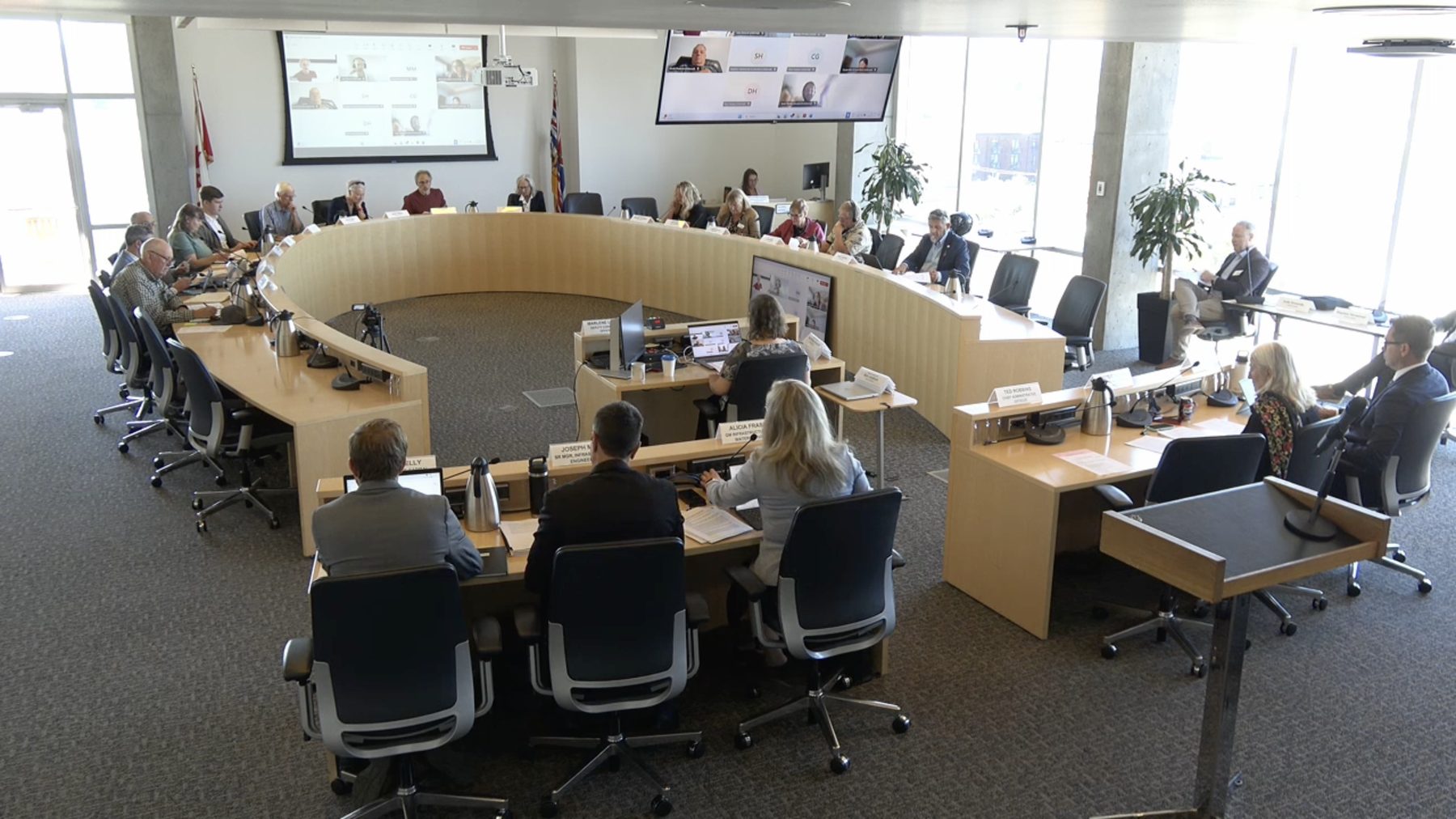
For the better part of a decade I've helped govern the drinking-water systems the Capital Region depends on. These aren't ceremonial seats — they carry real delegated authority over budgets, infrastructure, and long-range planning.

CRD Regional Water Supply Commission · Chair

Governing the water supply for ~430,000 people

It's a 22-member commission representing the region's municipalities and electoral areas — and those commissioners have chosen me to chair the work, completing four years in the chair after four years before that as Vice-Chair. Chairing this commission is, in effect, being the region's mayor for water: bringing many municipalities and many competing interests to one table and helping them reach decisions together on the biggest water-governance questions the region has faced — from how we plan for growth to how we secure supply for the next generation.

A $350M+ five-year capital plan

The reinvestment program that keeps the regional system reliable, seismically resilient, and ready for the future — including the 2022 Master Plan rollout, dam-safety work, and planning for the future filtration plant. In 2026 alone, a $72M capital program.

The 2022 Master Plan

The long-range blueprint replacing the previous plan — now moving from what to build into how and when to build it.

The 2025 Strategic Plan renewal

Refreshing the commission's priorities for the next five to ten years.

A DCC program built on generational equity

The commission doesn't drive growth — it plans for it. This program makes sure that when growth does occur, the cost of the added system capacity it requires is carried by that new development, rather than falling on existing ratepayers.

I've held the line on factual precision throughout — correcting the record when the numbers didn't support the narrative, and insisting that decisions affecting 430,000 people rest on evidence, not assumption.

Juan de Fuca Water Distribution Commission · Chair

Mapping a $2-billion system for the long haul

The JDF system delivers water to the western communities — Langford, Colwood, View Royal, Metchosin, Sooke, parts of Highlands, several First Nations, and the JDF Electoral Area.

The first CRD service to complete a full Asset Management Plan

A 20-year financial and technical roadmap mapping roughly $2 billion in infrastructure — what we own, its condition, its worth, and when it needs replacing, so ratepayers aren't blindsided. It's a model now being extended to the region's other services.

Renewal of the JDF DCC program

Keeping the cost-recovery framework fair and current, so that as the western communities develop, new growth — not existing ratepayers — carries the cost of the capacity it requires.

Where I Stand

Clear principles. Sound information. The judgment to apply them.

These are values and a direction, not a wall of campaign promises. And they come with an honest note about how councils actually work: a mayor doesn't set policy by decree — council chooses the direction together. My role is to make sure our strategic plan arises from collaboration rather than conflict, so the priorities we adopt are ones we've genuinely built as a council and a community. Four commitments anchor how I'll serve.

01

Protecting our rural character

Highlands chose to be what it is: large rural lots, no urban services, forest and rock and quiet. That wasn't an accident, and it isn't up for quiet erosion. I'll defend the land-use framework that keeps us rural, and stay skeptical of pressures — from developers, from neighbouring growth, from convenience — that would chip away at it one exception at a time.

02

Ecological protection & biodiversity

We live in the Coastal Douglas-fir zone — one of the most threatened ecosystems in British Columbia. Our sensitive-ecosystem protections and OCP policies aren't red tape; they're the reason this place still works as habitat. I'll defend and, where the evidence supports it, strengthen those tools — grounded in real inventory and current science, not decades-old baselines.

03

Water stewardship & climate resilience

Water is my life's work — designing it, teaching it, and now helping govern it for the whole region. And I bring it home to a community that lives almost entirely on groundwater: protecting our aquifers and watercourses, taking rainwater and greywater seriously as part of how a rural community lives within its means, and planning honestly for water security in a drying climate that is already changing how water moves through this landscape.

04

Reconciliation & First Nations relations

Highlands sits within the territories of as many as seven First Nations. Reconciliation isn't a statement on a website — it's a relationship, built through consistent, respectful, good-faith engagement over time. As mayor, I'll begin that relationship-building in earnest from day one — advancing practical steps that fit our authority as a small municipality and that the Nations themselves help shape.

A Vision for the Next Four Years

Active stewardship in changing times.

Long service is only worth something if it stays curious. The region is changing, the climate is changing, and the risks to a small rural municipality are changing with them. The job isn't to coast on tenure — it's to stay responsive: to understand those risks better, and to finish the work the community has already started.

My vision isn't a grand new direction. It's making the Highlands we already have work better — sharpening the tools so that protecting our character, our ecosystems, our water, and our relationships becomes something we do reliably and well, not something we scramble at.

Responsive, not settled

Good decisions need time and genuine public input, and I've repeatedly pushed for more of both. As mayor I'll re-engage the public directly: resident surveys, regular Committee of the Whole meetings re-established, and standing advisory committees that bring resident and expert voices in early — the way the Regional Water Supply Commission's Water Advisory Committee does. Chairing is a craft I've spent years at, and a well-run meeting is where every voice is heard and the best argument wins. The mayor sets the tone and the agenda, and so sets the pace — I'd set one that makes room to listen before we decide, not after.

Finishing what the community started

The community asked for regenerative development in the South Highlands — something more imaginative than the conventional industrial-commercial status quo. That vision has yet to be properly sold and shown. The pragmatic path isn't retreating to the familiar because the new is harder to picture; it's actioning the South Highlands plan for the benefit of the Highlands — showing residents and the region what regenerative development makes possible, including the water security a drying climate demands. I'll carry that across the line.

The region's leader on protection

Highlands should be the community others look to on watershed protection and green-space protection — not a follower of urban service models. I'll keep us in that leading role, defending the land and water that make this place what it is.

Services sized to a rural place

Pragmatic, not imitative. A small rural municipality shouldn't copy the patterns of growing suburbs. I'll pursue smart, affordable capacity — grants, partnerships, shared services, better use of our committees — so we meet our ambitions without bloating the budget or the bureaucracy.

This isn't about big gestures. It's the steady, responsive work of keeping a small rural community intact through a decade of change — listening closely, adapting where we must, and defending our rural independence. For years, Highlands has been quietly engaged in the region and too easily overlooked. The difference I'm asking to make is to turn that quiet presence into a more influential and respected voice — one the region listens to when decisions reach our water, our roads, and our rural character.

How I show up

The same person at every table.

Authenticity Courage Integrity Empathy Non-violent communication …and a dash of humour